

101 Things I Learned in Architecture School
Guest Review by Max Gadney
Architecture is a discipline that draws together principles typical of many design disciplines – clients, briefs, research, materials, form and function. Added to this mix is permanence, history and scale, which has made architecture arguably one of the most intellectualised design disciplines.
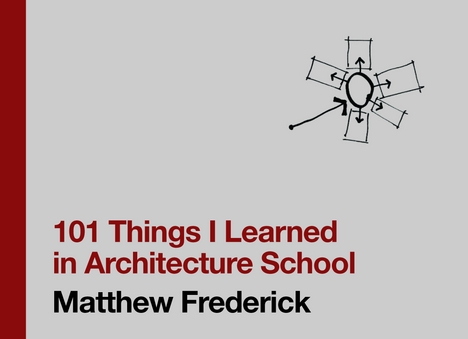
101 Things I Learned in Architecture School
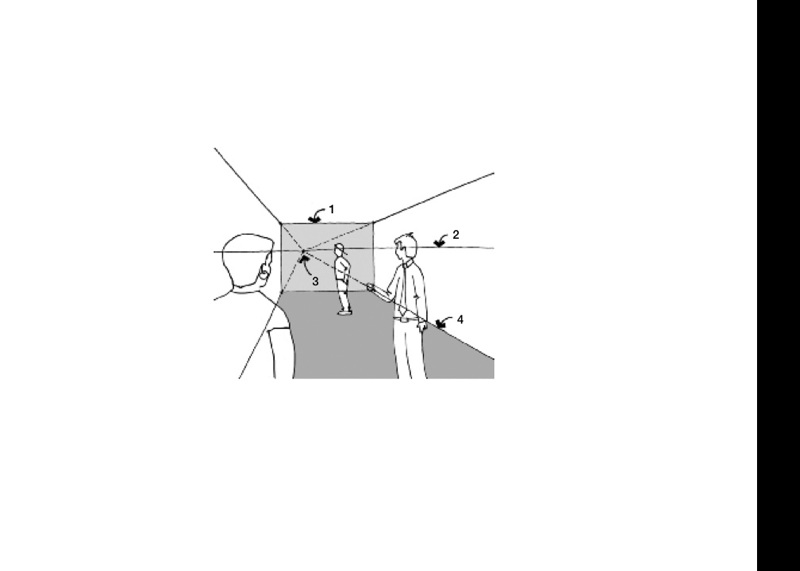
The book is laid out with one Thing per spread with an accompanying drawing on the opposite page. Some of the Things Frederick shares are concise and practical tips that would most benefit design and architecture students such as:
(Click to enlarge)
#71: How to sketch a one-point perspective of a rectangular interior space
or
#36: Value drawings (rendered in shade and shadow) tend to convey emotions better than line drawings.
Frederick could have fleshed these out a lot more, but obviously the 102nd thing he learnt at architecture school was that nobody has much time to waste and we will pay money to anyone who saves us some.
Some Amazon reviewers have criticised the book for being too much of a fortune cookie analysis of design and life, but these seems to miss the point of this Zen-like presentation of ideas. But plenty of people love the simplicity of 101 Things and wish it had been the textbook they had had at college.
A more forgiving way to look at 101 Things is that it brings together a collection of design ideas that one hears at the more enlightened cross-disciplinary or convergence conferences such as LIFT or TED. Conferences that don’t just feature portfolio sessions from your field, but instead might have a biologist talking about car design, for example.
These ‘universal patterns’ are easily read into other design practices and make for minds that are happy to explore ideas outside of their vocational focus and smart college teachers will incorporate them into their lessons. The following two have just the right combination of sense and Zen paradox to get you thinking and questioning.
#28: “A good designer isn’t afraid to throw away a good idea”

(Click to enlarge)
#81: “Properly gaining control of the design process tends to feel like one is losing control of the design process”
Frederick also covers more concept-based ideas, such as the parti – the grand unifying concept of the building. It is an example of a universal pattern most people in the creative professions will recognise in their work as well as outside – Obama’s parti was change and he didn’t distract himself with he details.
One question that hangs in the air with any book that has the personal pronoun “I” in the title is why anyone should care what Matthew Fredericks instead of, say, Renzo Piano learned in Architecture School.
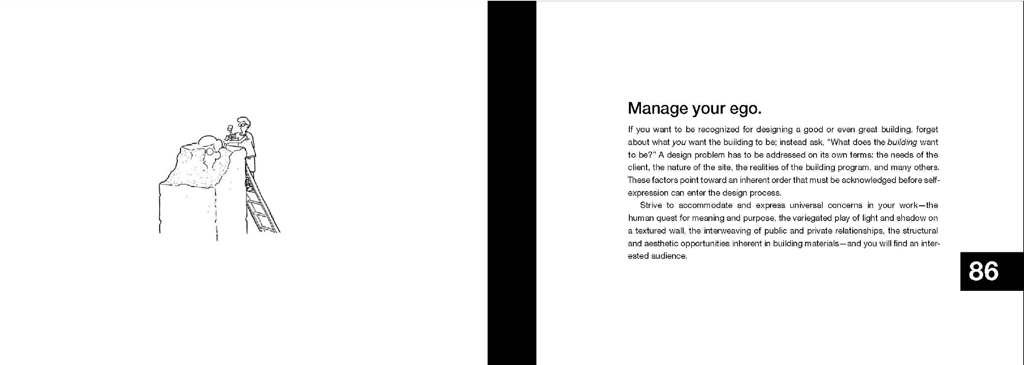
The answer is that it probably doesn’t matter. Fredericks is an accomplished architect in his own right and has some engaging views on architecture, believing firmly in a “radical urbanism” that argues for a grass roots planning process (as used to be the case many years ago) rather than a top-down zoning obsessed and over-regulated system. The DRB only had fleeting e-mail contact with Frederick but, despite the “I” in the title of the book, he seems to have followed his own advice of Thing #86: “Manage your ego.”
(Click to enlarge)
101 Things I Learned in Architecture School
If you are more experienced, either in the field or just well-read and conferenced, then buy one for someone else who could do with understanding how designers think, such as your boss or client (or spouse). But in the spirit of all good gift-giving, sneak a peek first because there may be at least one thing in there you didn’t know or had forgotten about.
At the very least, everyone can follow Thing #99: “Just do something”.
Buy 101 Things I Learned in Architecture School from Amazon.com

[Erik Dahl has an extended review and commentary of 101 Things on his excellent Dahlpod blog. Update - MIT Press rather churlishly requested Erik to remove his reviews. See the comments in this post and Erik’s response for details - Ed.]
About the Reviewer
Max Gadney works in Digital Media for the BBC in London and was previously Head of Design and Audience Insight for the BBC News website. In his spare time he writes and illustrates for WWII Magazine in the US.